Sales: (844) 790-3480
Service & Parts: (905) 238-9753
Parts: (905) 238-3480


If you are shopping for a Honda SUV, the HR-V and CR-V are two models that may catch your attention. Both offer the flexibility of an SUV, comfortable interiors and features designed to make everyday driving easier. However, they serve different needs.
The Honda HR-V is a subcompact SUV with a smaller footprint, making it a practical option for commuting, errands and everyday city driving. The Honda CR-V is larger and offers additional passenger and cargo space, making it an appealing choice for families and drivers who need more room.
So, should you choose the HR-V or spend more on the CR-V? The answer depends on your lifestyle, driving habits and how much space you need. Here is what to consider when comparing the Honda HR-V and CR-V in Mississauga.
The biggest difference is size.
The HR-V is Honda’s smaller SUV. It offers a practical cabin and a compact exterior that can be convenient when navigating busy streets or parking in tighter spaces. The CR-V is a larger compact SUV with more room for passengers and cargo. It can be a better match for drivers who regularly travel with family, carry larger items or take longer road trips. Both models offer modern technology and driver-assistance features, but their size and powertrain options help distinguish them.
In simple terms:
For many smaller families, the HR-V can provide the space needed for everyday routines. It offers seating for five and a flexible interior that can accommodate passengers, groceries, backpacks and other daily essentials. Its smaller size can also be useful for parents who frequently drive through busy areas or need to park in compact spaces.
However, the right fit depends on how your family uses its vehicle. If you regularly carry a stroller, sports equipment, luggage or several passengers, you may find the additional room in the CR-V more convenient. It is worth thinking about your routine beyond the average weekday. Consider school drop-offs, weekend activities, grocery shopping and family trips. The best vehicle is one that can comfortably support those activities without requiring you to compromise on space.
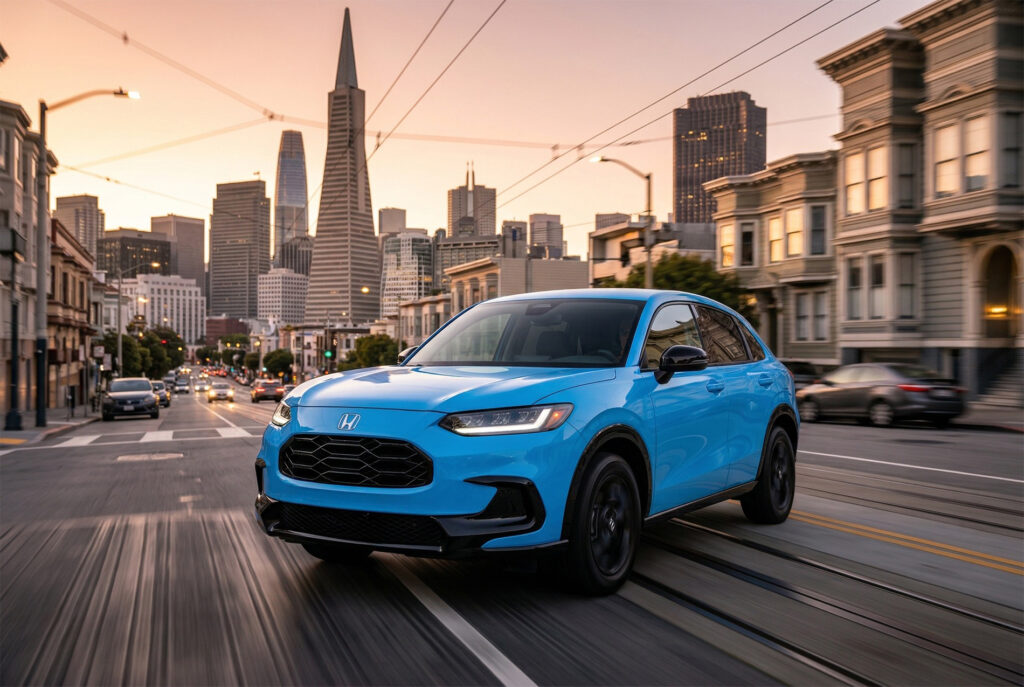
The CR-V offers more cargo capacity than the HR-V, making it a strong option for drivers who regularly transport larger items. That additional room can be useful for family luggage, sports equipment, strollers, larger grocery trips or outdoor gear. The CR-V’s larger cabin may also make longer trips more comfortable when the vehicle is carrying several passengers.
The HR-V still provides practical cargo flexibility for everyday use. If you mainly carry a few bags, groceries or smaller items, its storage area may be enough. When comparing the two, consider bringing the items you regularly transport to your dealership visit. Seeing how they fit in each vehicle can be more useful than relying on measurements alone.
The CR-V may be worth the additional investment if you will regularly benefit from its larger interior, additional cargo capacity and available powertrain choices. If you rarely use the extra space, the HR-V may be a more practical choice. There is little reason to choose a larger vehicle if its additional capacity does not support your everyday needs.
Your budget should also include more than the vehicle’s purchase price. Consider insurance, fuel, financing or leasing terms, maintenance and the features included in the trim you are comparing. The best way to evaluate the difference is to compare specific versions of both models. A well-equipped HR-V and a CR-V with a different feature package may offer different value depending on what matters most to you.
Fuel consumption depends on the model year, powertrain and configuration. For 2026, Honda Canada offers the CR-V with gasoline and hybrid powertrains. The gasoline models use a 1.5-litre turbocharged engine, while the hybrid models combine a 2.0-litre engine with two electric motors. Honda lists fuel consumption as low as 7.8 L/100 km combined for a front-wheel-drive gasoline CR-V and 6.4 L/100 km combined for CR-V Hybrid models with all-wheel drive, depending on the version.
The 2026 HR-V is offered with a 2.0-litre gasoline engine and front-wheel drive or all-wheel drive depending on trim. Its fuel consumption ratings vary by configuration. Rather than assuming that one model will always use less fuel, compare the official ratings for the specific versions you are considering. Your annual mileage and the amount of city versus highway driving you do will also influence fuel costs.
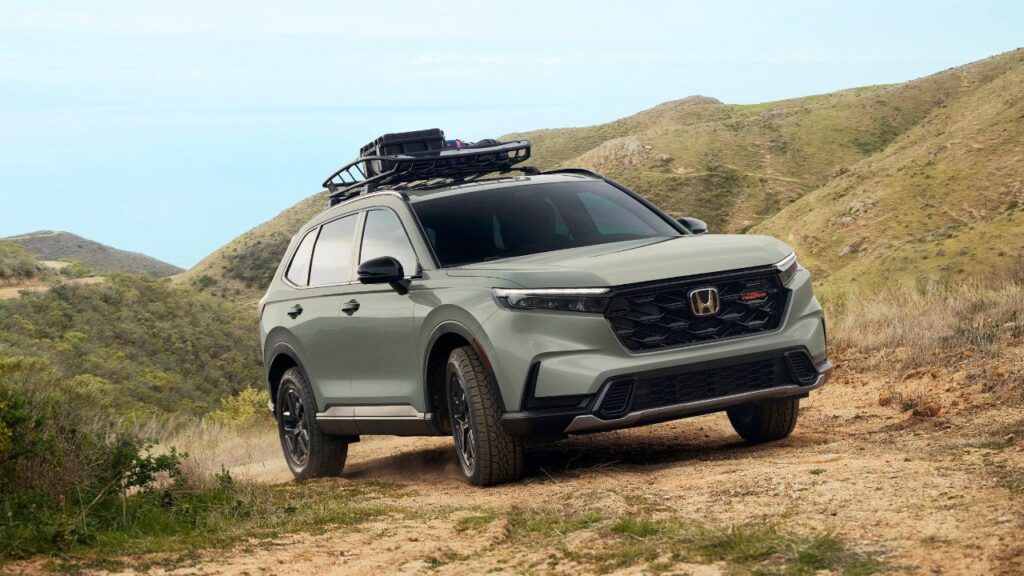
The choice depends on how you drive and what you value most. A gasoline CR-V may be a good fit if you want a conventional powertrain and a larger SUV for everyday use. The CR-V Hybrid may appeal to drivers who want the additional efficiency of a hybrid system, particularly if they spend considerable time in city traffic. The hybrid system combines a gasoline engine with electric motors. Unlike a plug-in hybrid, it does not need to be connected to an external charger.
If you are comparing the HR-V with the CR-V, remember that the 2026 Canadian HR-V lineup is gasoline-powered, while the CR-V offers both gasoline and hybrid options.
Both models can be well suited to driving in Mississauga. The right choice depends on your regular routes and how much space you need. The HR-V’s smaller footprint may be convenient for commuting, errands and navigating busy parking areas. It can be a practical option for drivers who want an SUV without moving into a larger vehicle. The CR-V may be more appealing if your routine involves longer commutes, family travel or frequent trips with passengers and cargo. Its additional room can make a difference when the vehicle is used for more than just daily transportation.
If you regularly drive in winter conditions, consider the available all-wheel-drive configurations and make sure your vehicle is equipped with appropriate winter tires. All-wheel drive can help with traction when accelerating, but it does not replace winter tires or careful driving.
Your decision can become easier when you focus on your priorities.
Choose the Honda HR-V if:
Choose the Honda CR-V if:
Neither model is a one-size-fits-all answer. The best choice is the one that fits your budget, driving habits and plans for the years ahead.
Choosing between the HR-V and CR-V is easier when you can see the differences in person. Comparing their seating, cargo areas, technology and available versions can help you understand which SUV feels right for your routine.
At Ideal Honda in Mississauga, our team can help you explore the Honda lineup, compare available models and arrange a test drive. Whether you are looking for a practical everyday SUV or additional room for your family, we can help you find the right fit.
Visit Ideal Honda or contact our team to learn more about the HR-V and CR-V.
The HR-V is a smaller SUV designed for everyday versatility, while the CR-V offers more passenger and cargo space and a broader range of powertrain options.
It can be suitable for smaller families and everyday family needs. Families who regularly carry several passengers or larger items may prefer the additional space of the CR-V.
It may be, if you will benefit from its additional room, cargo capacity or hybrid powertrain option. If you do not need the extra space, the HR-V may be a better fit.
Yes. The 2026 Honda CR-V lineup in Canada includes hybrid versions as well as gasoline models.
The 2026 HR-V lineup includes both front-wheel-drive and all-wheel-drive configurations, depending on the trim.
You can explore both models at Ideal Honda in Mississauga. Contact the dealership to check current inventory and arrange a test drive.
$169+ HST
weekly for 60 months at 5.19%
with a down payment of $0
Retail price
$55,673.00
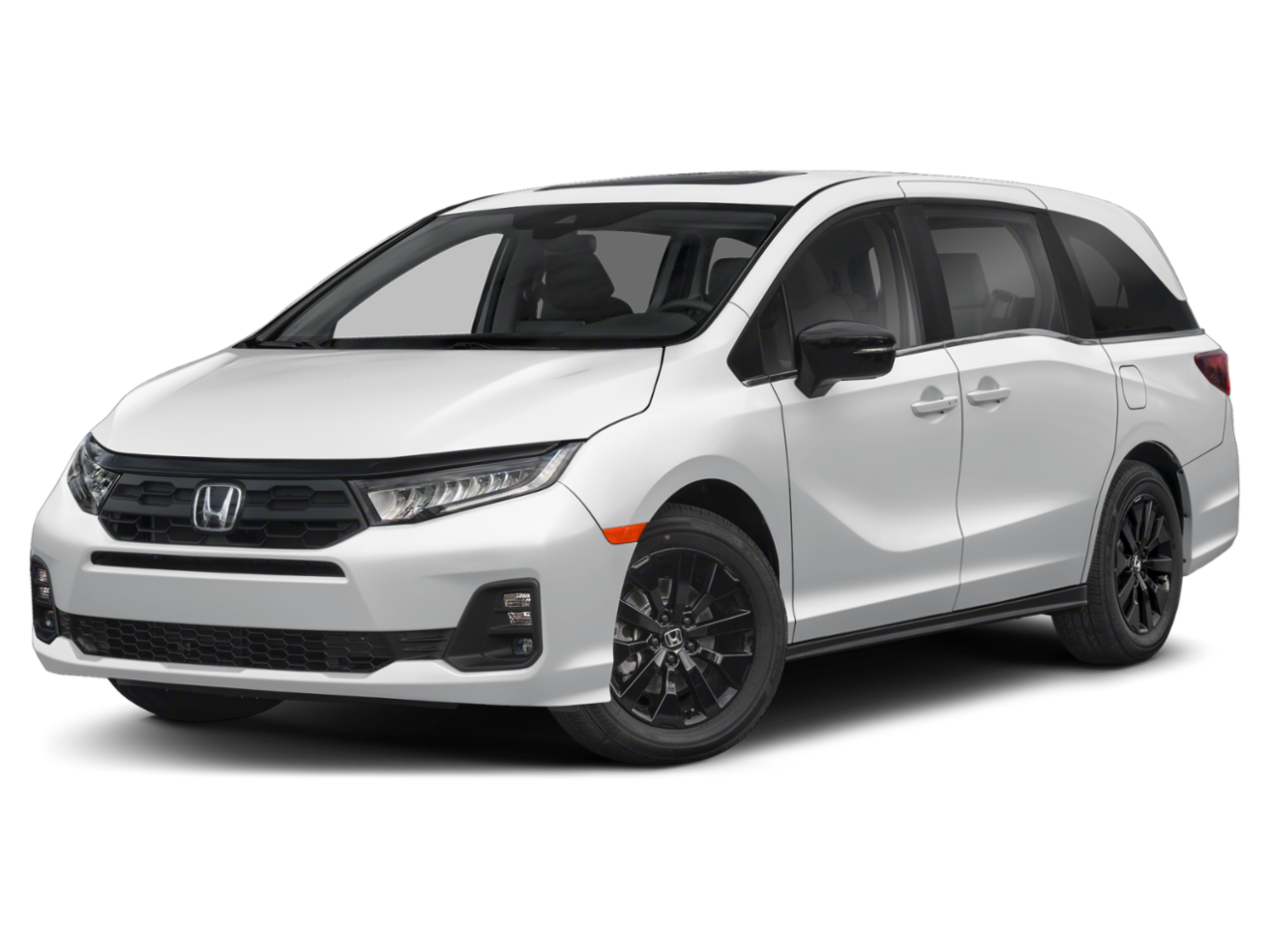
* Photo for illustrative purposes only. Certain conditions apply.
$169+ HST
weekly for 60 months at 5.19%
with a down payment of $0
Retail price
$55,673.00
* Photo for illustrative purposes only. Certain conditions apply.